

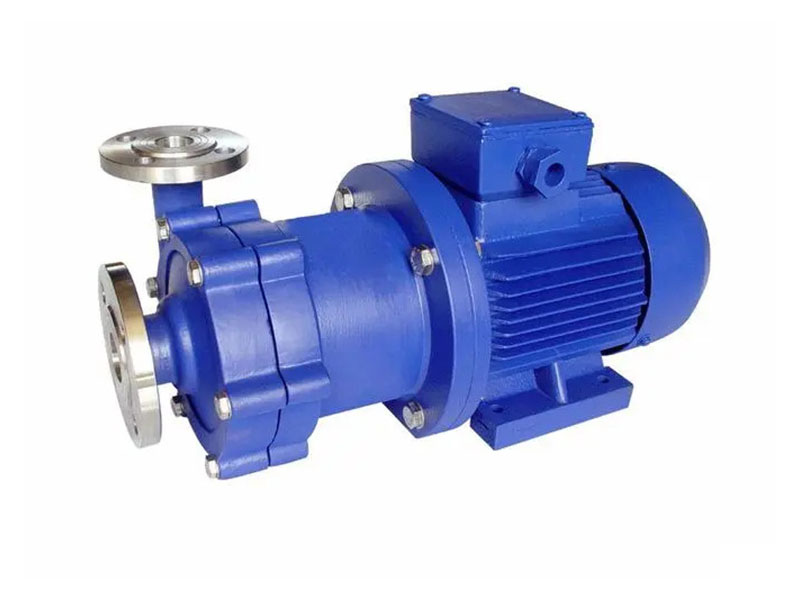
The Science Behind Screw Pump Efficiency
Introduction to Screw Pumps
Screw pumps, a type of positive displacement pump, are essential to various industries due to their ability to handle viscous fluids efficiently. Known for their reliability and versatility, screw pumps are highly efficient in transferring a wide range of liquids. This article delves into the science behind screw pump efficiency, providing an in-depth understanding that is both comprehensive and SEO-friendly.
How Screw Pumps Work
Screw pumps consist of one or more screws that rotate, creating cavities that capture and transport fluids. As these screws rotate, the fluid is moved continuously along the axis of the screw. This operation is smooth and consistent, minimizing pulsations and vibrations, which is a significant advantage over other types of pumps.
Efficiency Factors in Screw Pumps
1. Viscous Fluid Handling: Screw pumps excel in moving high-viscosity fluids. Their design allows them to maintain efficiency where centrifugal pumps might struggle. This ability is due to the continuous movement and sealing of the screws that prevent leakage and preserve pressure integrity.
2. Precision Engineering: The efficiency of screw pumps largely depends on the precise engineering of the screws. These pumps require minimal clearance between the screws and the casing, reducing slippage and enhancing energy efficiency.
3. Self-Priming Capabilities: Screw pumps are often self-priming, reducing the need for additional systems to remove air from the lines. This feature contributes to higher operational efficiency and reduced maintenance.
4. Low NPSH Requirements: Screw pumps generally have lower Net Positive Suction Head (NPSH) requirements, allowing them to operate effectively in various conditions without cavitation, thus enhancing their longevity and efficiency.
5. Variable Capacities: Unlike some other pump types, screw pumps can handle variations without significant drops in efficiency. They can manage a range of flow rates and pressures, offering flexibility for multiple applications.
Advantages of Screw Pumps
- Reduced Noise and Vibration: Due to their operational mechanism, screw pumps typically produce less noise and vibration, beneficial in environmental noise control.
- Compact Size: Their compact design makes them suitable for confined spaces without sacrificing performance.
- Reliability: Screw pumps have fewer moving parts, thus minimizing wear and tear, leading to longer service life and lower maintenance costs.
- Energy Efficiency: The efficiency in handling viscous fluids and maintaining a steady flow translates into energy savings over time.
Typical Specifications
- Flow Rate: Ranges from a few liters per minute to hundreds of cubic meters per hour.
- Pressure Ratings: Typically up to 150 bar depending on the design and application.
- Temperature Range: Can handle temperatures from -50°C to +350°C, making them suitable for various industries, including oil and gas, food and beverage, and chemical processing.
Conclusion
Screw pumps are a critical component in industrial operations where efficiency and reliability are paramount. Their unique design and operational benefits make them an excellent choice for handling a wide range of fluid viscosities and environmental conditions. By understanding the science behind their efficiency, businesses can make informed decisions to optimize their systems for improved performance and cost savings.
For ongoing advancements and specific applications, industries continue to innovate screw pump technology, ensuring their place as a go-to solution for fluid transfer challenges.

Copyright ? Jiangsu Longjie Pump Manufacturing Co., Ltd.



 Phone
Phone
Comment
(0)